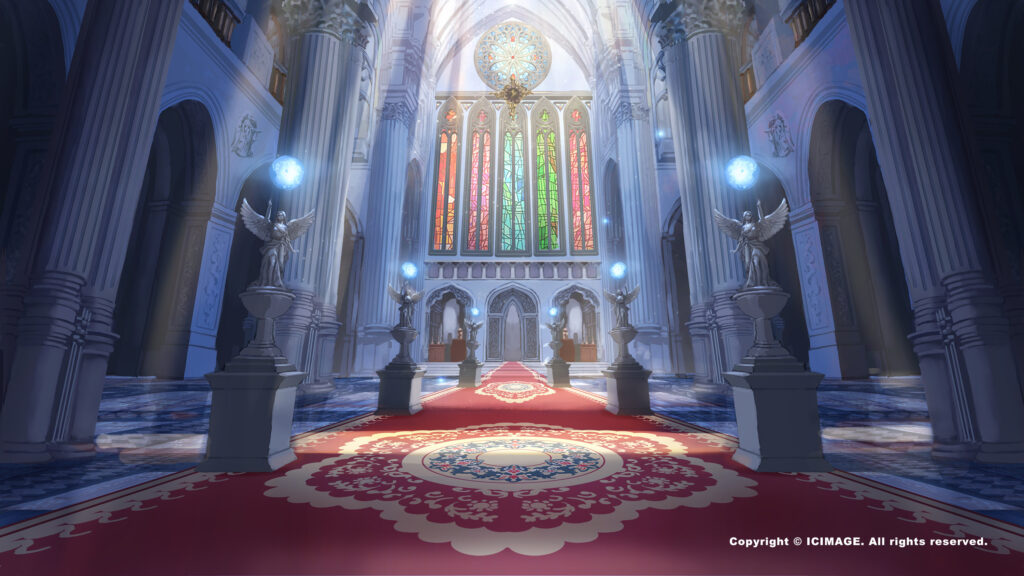

One of the Most Common Challenges for Artists — Coloring
In the world of digital painting, many artists face the same challenge: coloring. Beginners and experienced artists alike can hit a wall in color use and layering. For many, line art is a lifelong study and a relatively familiar subject — but coloring becomes a frustrating task. Color choices, layered rendering, lighting control: these all demand theory, technique, and experience. At work or on commissions, lacking these abilities directly affects the quality and finish of our pieces, and limits the range of commissions we can take.
When it comes to coloring, many artists default to a flat, anime-style approach. But if we look closely, even that style leans heavily on an understanding of light and color. Without that theory, the colors you paint might convey some volume, but when you want to express spatial depth or a sense of light, you're left without much direction. That's where impasto painting — with its emphasis on understanding light and color — shows its importance.
Impasto is a technique that gives paintings stronger texture and physical presence. It deepens the image, and through observation, its lighting can give the picture more dramatic tension. Learning impasto may feel complicated, but once you can handle it freely, it offers far more creative freedom and expressive room.
One of the topics in our free WeiChen Studio 維真電繪筆記 seminars is "Master the Secrets of Impasto Painting in One Hour" — one hour sharing, as efficiently as possible, the directions and tricks we learned while studying impasto. If you're curious about learning impasto painting, you're welcome to book our free livestream lecture through this reservation link!
What Do You Gain from Learning Impasto?
Learning impasto painting brings many benefits — it's not just a way to raise your technical skill, but a deepening of your understanding of color, lighting, and materials. Once you've mastered impasto, control over color layering lets you interpret many different styles. So learning impasto isn't about changing your personal style — it's a path to a deeper understanding of how light and color are constructed. Here are the main benefits:
1. A stronger sense of depth
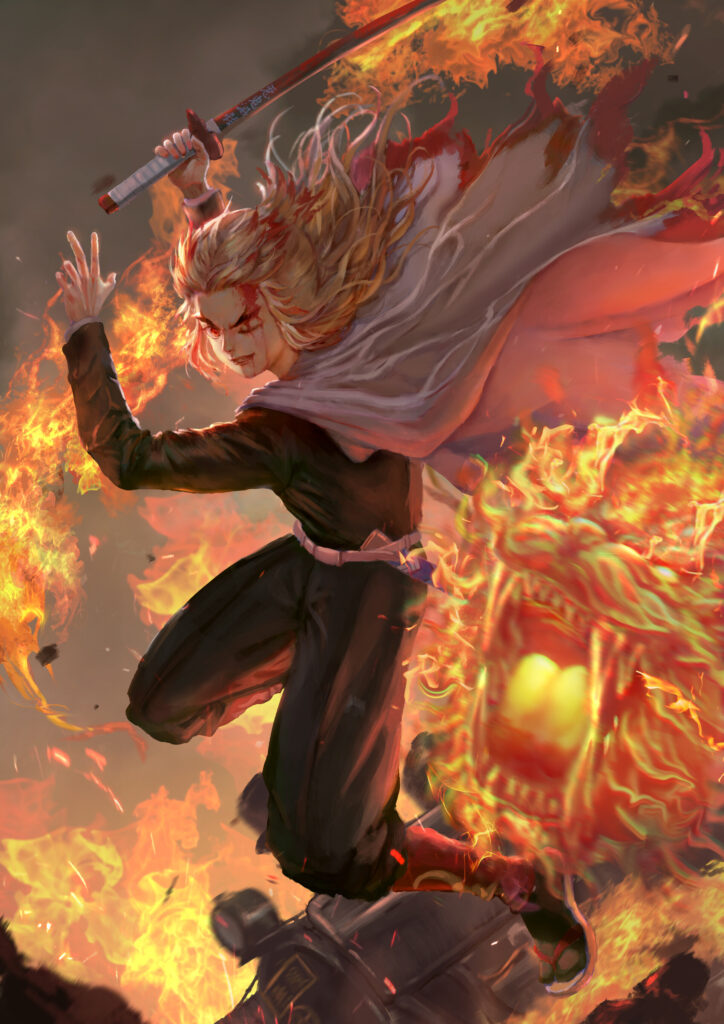
One of impasto's greatest strengths is the physical presence it gives a piece. Unlike flat coloring, impasto builds depth and volume through layer-by-layer stacking and blending of color. This technique makes characters, objects, and scenes feel more spatial, lets viewers sense the three-dimensionality in the painting, and — through visual guidance and managed color layers — draws their eyes to the important elements. And by learning impasto, we can control the density of those layers and apply them to thinner, flatter anime-style painting to build spatial layering and a sense of light.
2. Command of light and shadow
One key to impasto painting is the expression of light. Through impasto, artists can render in finer detail how light strikes an object's different planes. Whether it's a character's skin, the folds of clothing, or objects in the background, impasto helps the artist express the direction and intensity of the light source accurately. This not only makes the image more realistic — it draws viewers deeper into the story or situation we want the image to present.
3. More flexible color use

Impasto emphasizes natural transitions and blending of color. After learning it, artists can use different tones and hues more flexibly to enrich the image, even achieving subtle color variation within a single area. This makes the work's colors more varied and shows the artist's own understanding of color harmony.
4. Stronger material expression

Impasto is excellent for expressing the texture of different materials. For example, it makes it easier to render the sheen of metal, the delicacy of skin, or the softness of fabric. This suits artists with high demands in character design, scene painting, or prop illustration, because it helps them portray all kinds of materials concretely.
So, Any Advice for Learning It?
For artists who want to learn impasto, mastering it isn't an instant level-up — but there are concrete directions that can help you get into it faster and steadily improve.
1. Learn basic drawing and color theory
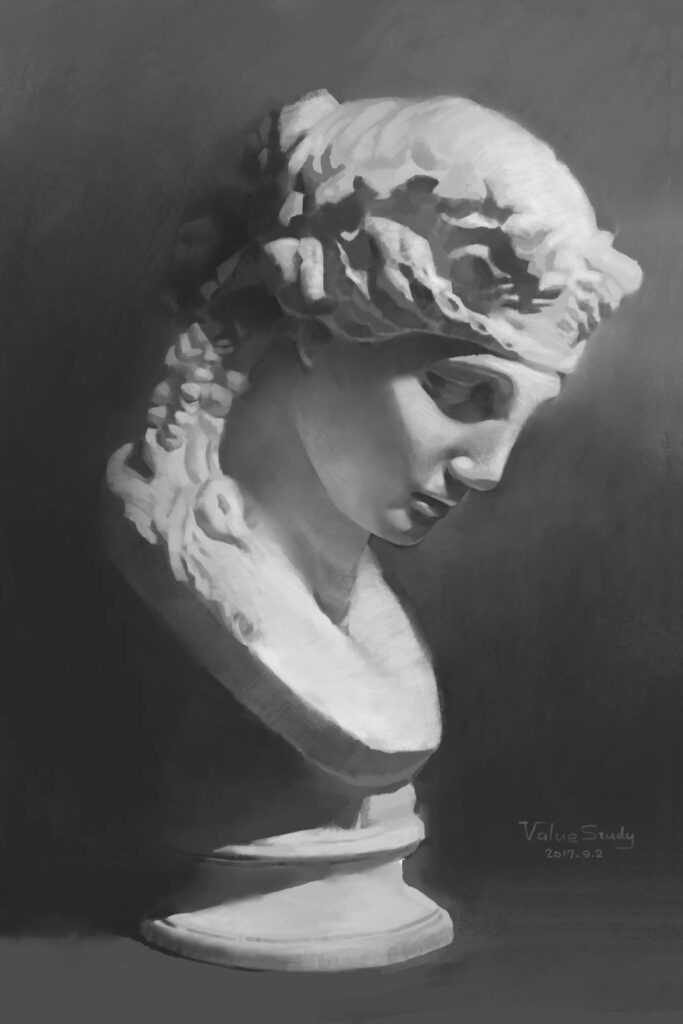
Impasto relies on a deep understanding of light, color, and structure. Before starting, artists should build their foundation — drawing skills and color theory. Understanding how a light source affects an object and how different colors interact will make the impasto process far more comfortable.
Impasto is about expressing volume through color, so practice observing objects' three-dimensional structure. Pick simple geometric forms or everyday objects to paint, and try expressing their shape and volume with color, without over-relying on lines.
3. Color from large to small
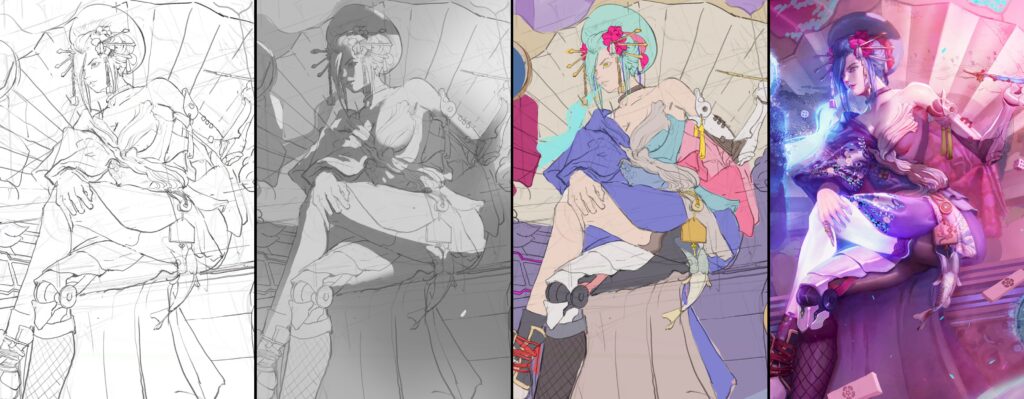
Early in learning impasto, don't rush into detail — start with large areas of color. Use simple light-and-shadow masses and color blocks to rough in the object's overall structure, then gradually refine the details on top of that base. This approach helps you keep the big picture in view and avoid sinking into details too early and losing the overall feel.
4. Make good use of digital tools
In digital painting, artists can use digital tools to learn impasto more effectively — for example, using opacity and brush texture settings to simulate the paint-stacking effect of real impasto. Layer blending modes and color adjustment features in digital software also let you match and revise colors more flexibly as you paint.
5. Keep discussing and adjusting with fellow artists
Impasto takes time and patience. Stay open-minded, and keep reflecting on your process and results. Compare your work with pieces by impasto masters to see what could be refined further. And don't fear mistakes — every one brings new insight and growth.
Final Thoughts
Learning impasto painting not only improves the depth and texture of your images, it also widens your creative freedom and strengthens your technical control. For artists hoping to level up their coloring, impasto is a technique worth investing time and effort in. Through basic drawing practice, observing structure, and mastering light and color, you can gradually command this technique and ultimately express a distinctive personal style. Whether you pursue realism, anime style, or anything else, impasto opens up more possibilities.
If you'd like to learn impasto more deeply and systematically, one of our paid WeiChen Studio 維真電繪筆記 courses is An In-Depth Guide to Impasto Character Painting. From figure structure practice and observation points, to breaking down and constructing light, to color theory and material rendering, we've organized it all in a thorough, deep, yet easy-to-understand way. We hope it helps you absorb the theory efficiently and improve quickly through practice. If you're interested in learning impasto, you're welcome to join the course — it should be a great help to anyone working to improve their coloring!
If you have any questions, feel free to ask in our Discord server!
Tap here to join the WeiChen Studio community Discord