
Introduction
In the world of digital painting, lighting is a key factor in a picture's atmosphere, sense of volume, and realism. Yet many beginners run into the same problems when learning to light a scene: flat-looking images, uncertainty about where the light source is, and unnatural shadows. This article covers the fundamentals of lighting in painting and offers solutions to make your work more vivid and dimensional.
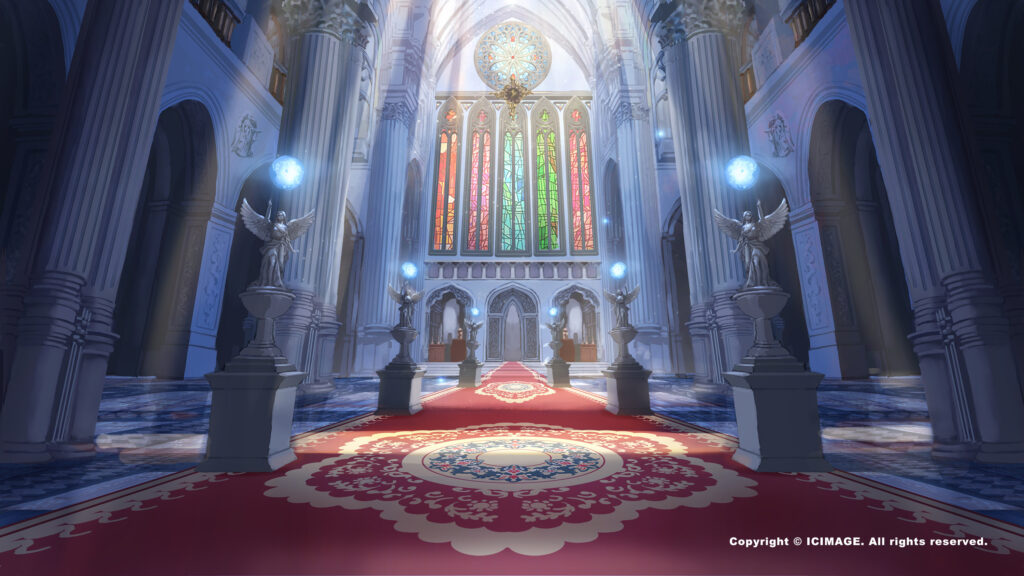
Common Lighting Pain Points and Challenges
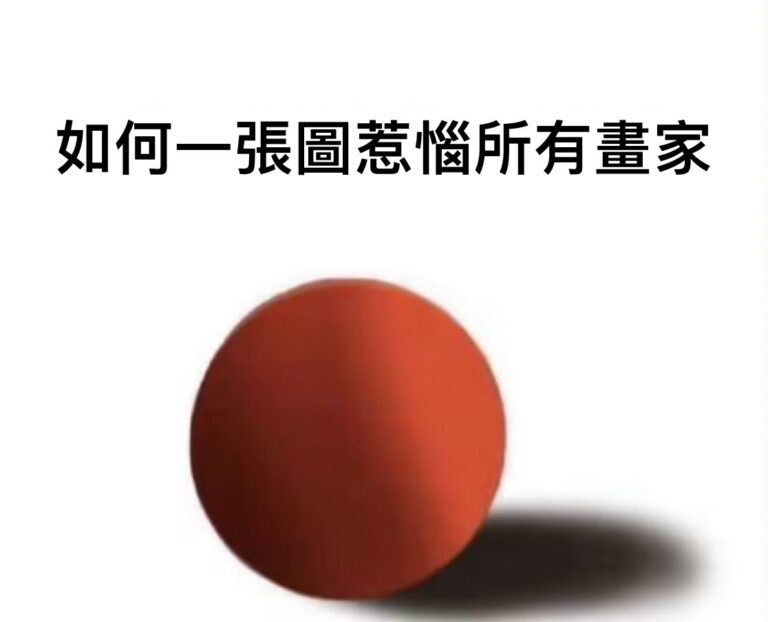
1. Decision paralysis: not knowing where to place the light source
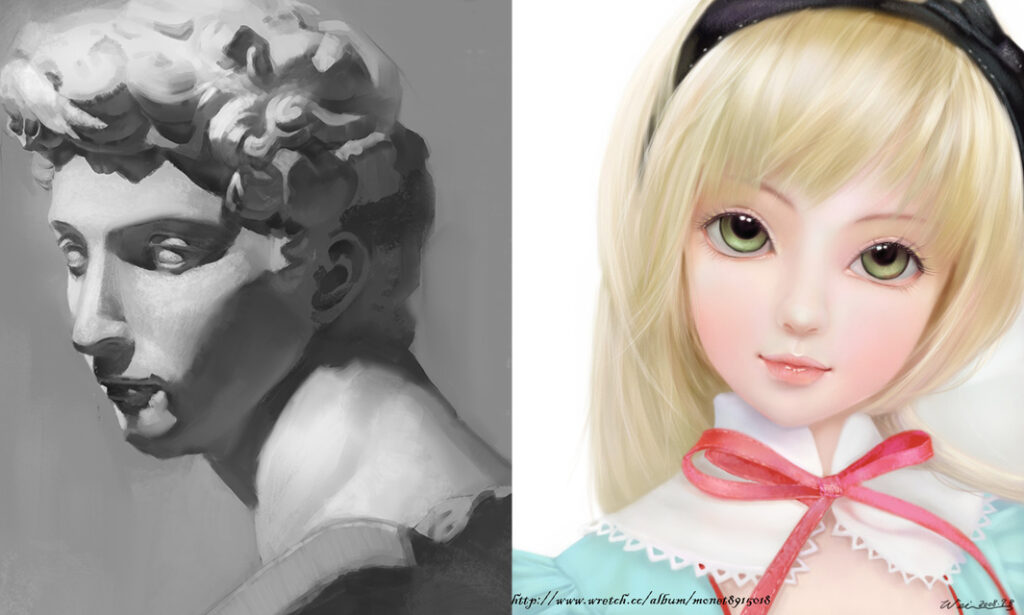
Many beginners start coloring without settling on a light direction, so the image lacks consistency and the light and shadow on objects end up scattered. The image below is a typical example.
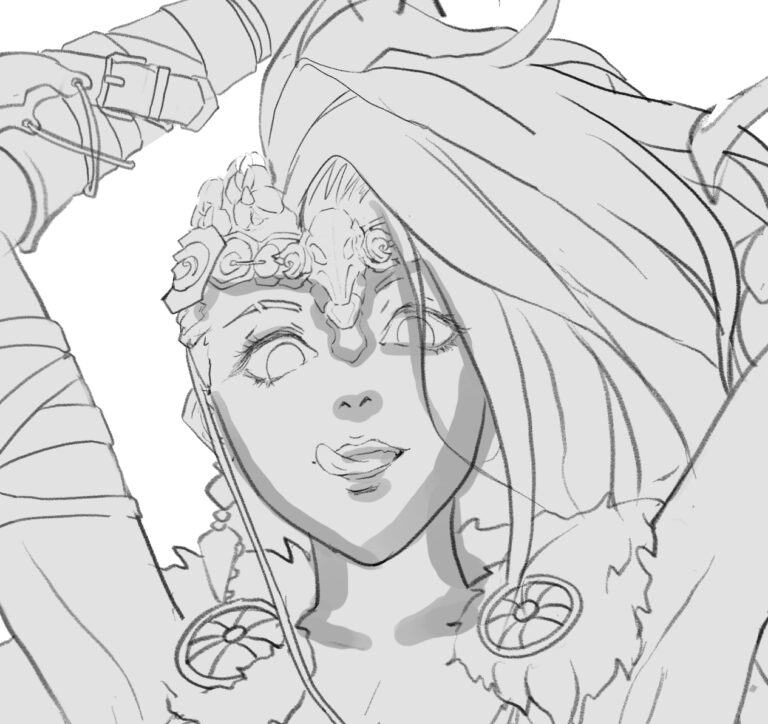
2. Imprecise placement: dropping shadows wherever the line art suggests
Some beginners paint shadows that are stiff or defy physical logic — they find a spot in the line art and simply put a shadow there, making the lighting look fragmented or illogical, as in the image below.
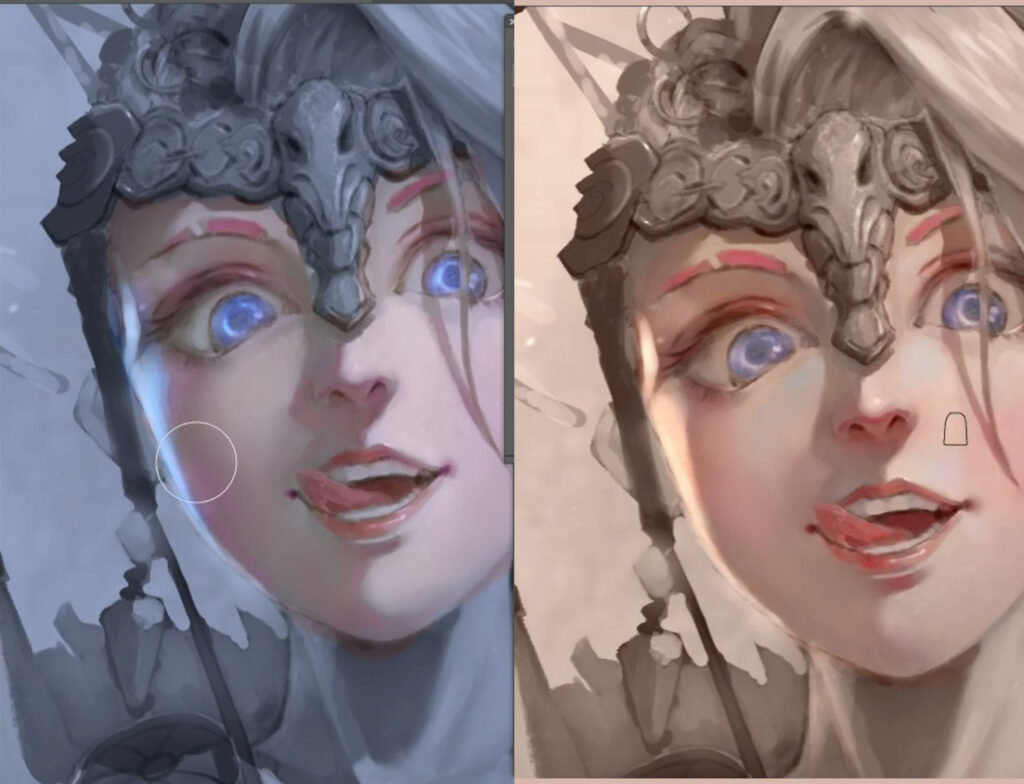
3. Lack of volume
When light and shadow are handled poorly, objects can look flat and lack a sense of volume. There are many causes; overly fragmented dark areas are one of them, and the image above can be seen as an example of this.
4. Difficulty analyzing different types of light sources
Ambient light, direct light, diffused light, and other light types all shape a picture's atmosphere, but many people are unfamiliar with how to apply them.
Fundamental Lighting Concepts and Solutions
1. Decide on the light source type and direction
Before painting any light and shadow, decide what kind of light source you have and where it sits. Common types include:
- Direct light (such as sunlight): a clear light direction, strong contrast, and sharp shadows.
- Diffused light (such as an overcast day or indoor light): less intense and direct than direct light — light that scatters through the air after hitting rough surfaces. It is softer, with blurred shadow edges.
- Ambient light (such as light reflected from the surroundings): a supporting light source from the environment that affects an object's overall brightness
Solutions:
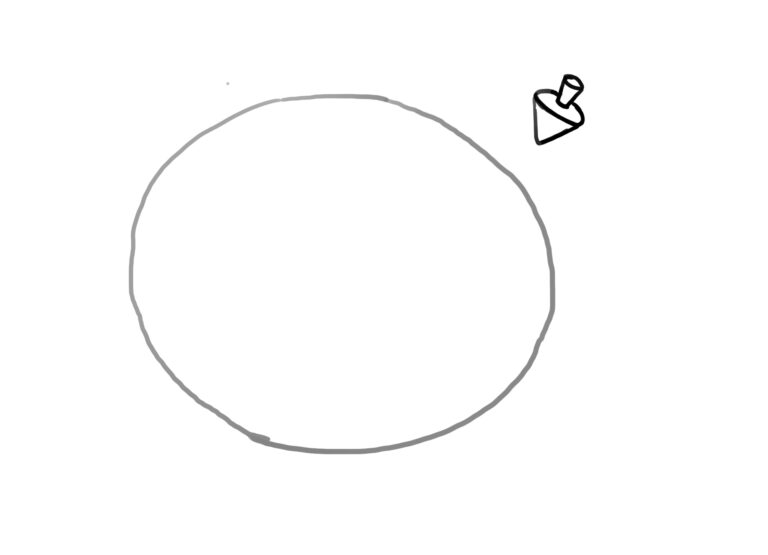
- Early on, practice how different light sources behave using a simple sphere to understand how light and shadow change.
- Mark the light direction with an arrow to keep the lighting consistent across the picture.
2. Basic steps for painting shadows
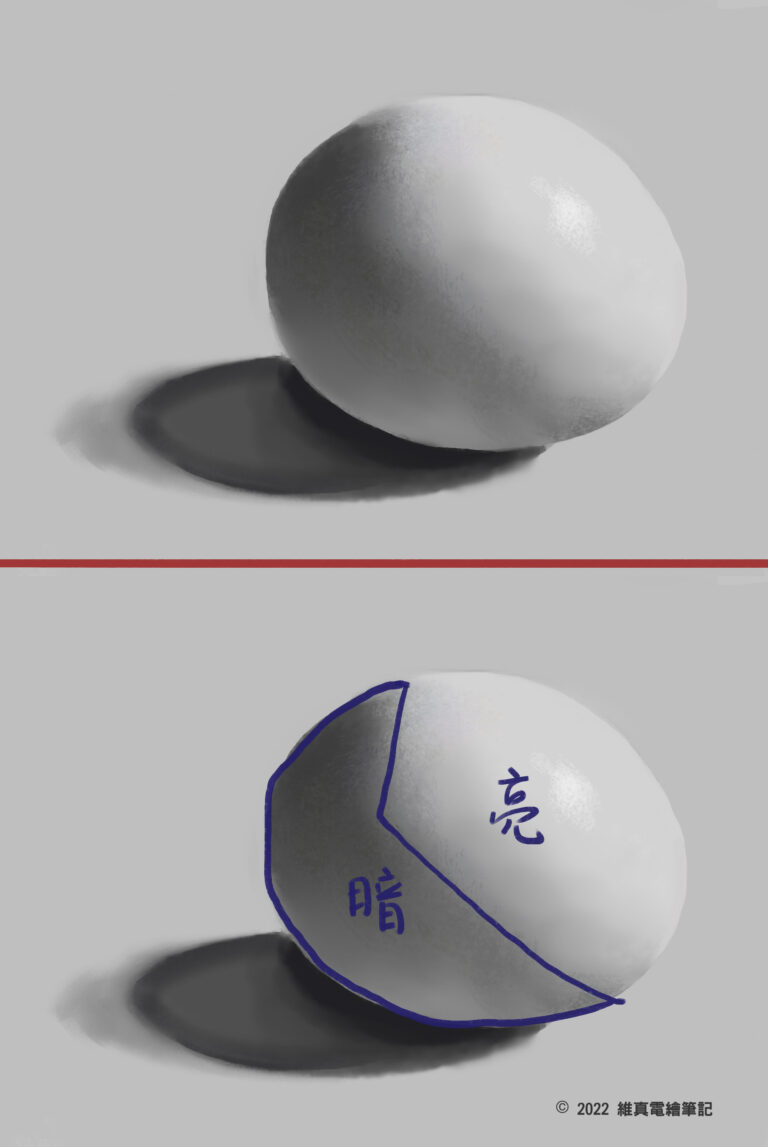
A shadow's shape, hardness, and color are all shaped by the light source. Common shadow types include:
- Cast shadow (Cast Shadow): created when an object blocks the light, usually with fairly crisp edges.
- Form shadow (Form Shadow): the gradual shadow an object develops as different parts receive different amounts of light.
- Reflected light (Reflected Light): light bounced in from the surroundings, affecting the color and value of shadows.
Solutions
- Use a hard brush (Hard Brush) to establish a clear two-value split between light and shadow. Reaching too early for soft brushes like the airbrush to blend transitions tends to make shadows look muddy.
- Observe how shadows behave on real objects — for example, how an object in sunlight differs from one under indoor lighting
3. Building volume and contrast
For an object to look three-dimensional, the contrast between light and shadow is crucial.
Solutions:
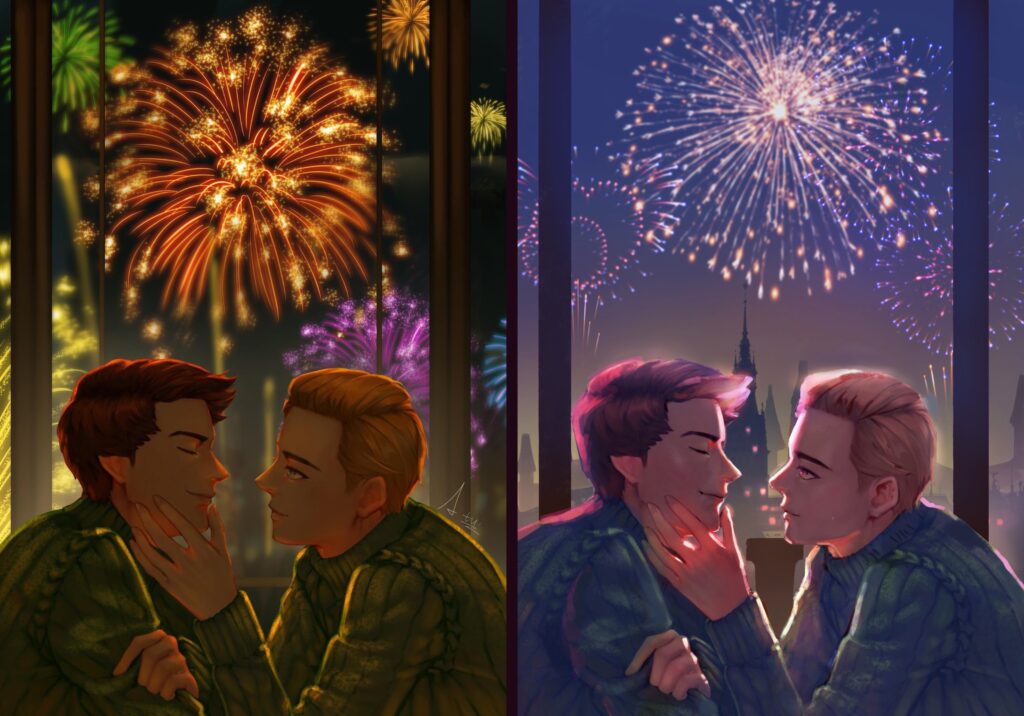
- Use a structure of highlight (Highlight) + midtone (Midtone) + shadow (Shadow) to sculpt volume.
- Pay attention to how reflected light affects an object's edges — it helps boost realism.
- Add subtle color variation inside shadow areas to avoid dead, pitch-black patches.
Final Thoughts
Lighting is a key skill for elevating a picture's quality and dimensionality. By mastering light source placement, shadow handling, volume building, and the use of different light types, digital painting beginners can quickly raise the professionalism of their work. I recommend strengthening your understanding through studies and by observing light and shadow in the real world, and practicing lighting across different kinds of scenes. Light and shadow are master storytellers. I hope this article helps you take another step forward in digital painting, and lets you tell even more of the stories you want to share through light and shadow!
WeiChen Studio 維真電繪筆記 holds weekly digital painting livestreams on our YouTube channel — one of the segments is "Master Lighting Basics in One Hour." If you're interested, you're welcome to follow our official LINE account!
▶ Tap here for the WeiChen Studio official LINE