Expression and Reference Gathering in Creative Work
From Inspiration to Practice
In the creative process, expression design and reference gathering are not just technical needs — they are core to expressing emotional depth and building a story's believability. Whether it's a character in film animation or a scene design in a game, these two steps decide whether audiences connect with the character and whether the work convinces.
1. Where inspiration begins: deep creativity born of emotion and experience
At the start of every creation, inspiration comes from the world we have lived — our emotions, experiences, and insight into human nature. These intuitions go beyond any form of data. Whether in character design or scene creation, human creators have a natural capacity for emotional resonance: they can catch subtle shifts of feeling within themselves and turn them into powerful visual expression. This deep emotional connection comes from each person's unique life experience — the un-copyable core of creative work.
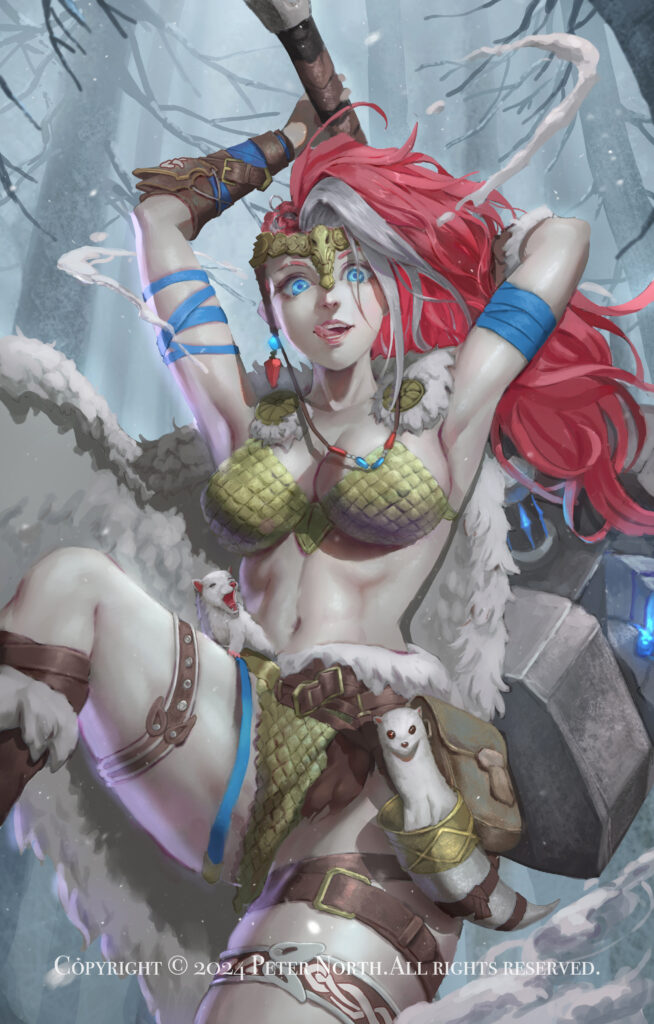
2. Reference gathering: grounded in reality, creating beyond it
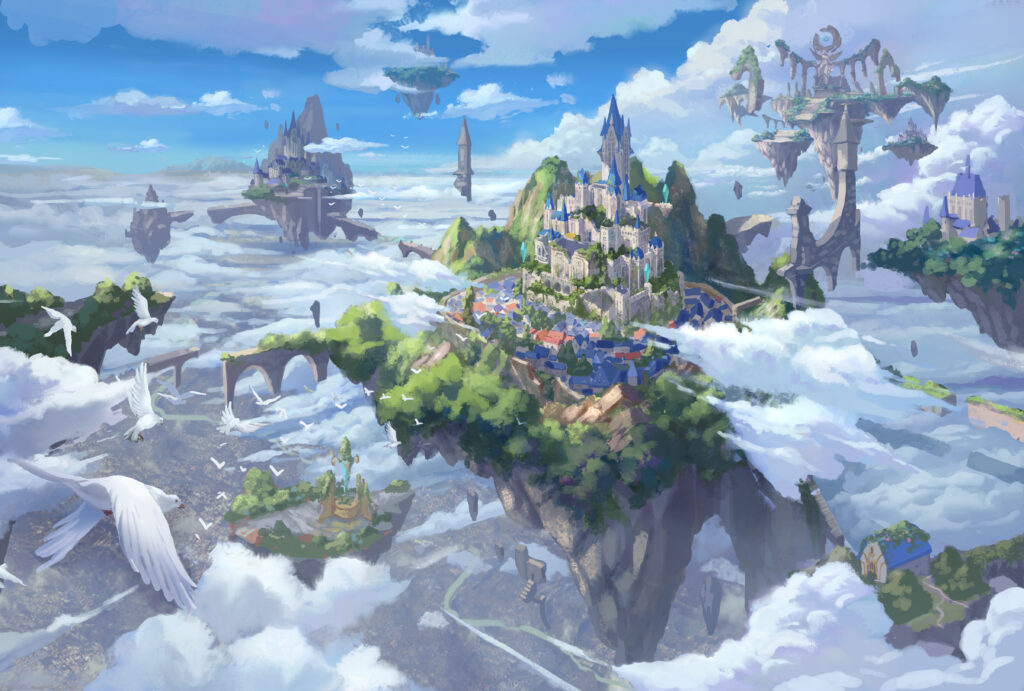
Reference gathering is an important part of creation, but it's not about simply imitating reality — it's about transforming the real into a unique visual language. Artists often look to the real world for inspiration, which gives characters and scenes depth and credibility. Yet the true charm of creation lies in how you build on that foundation of reality, giving the work new layers and meaning. This is the sensitivity and imagination human creators bring to the process, giving every piece its own perspective and style.
3. The details of expression: capturing the diversity of human emotion
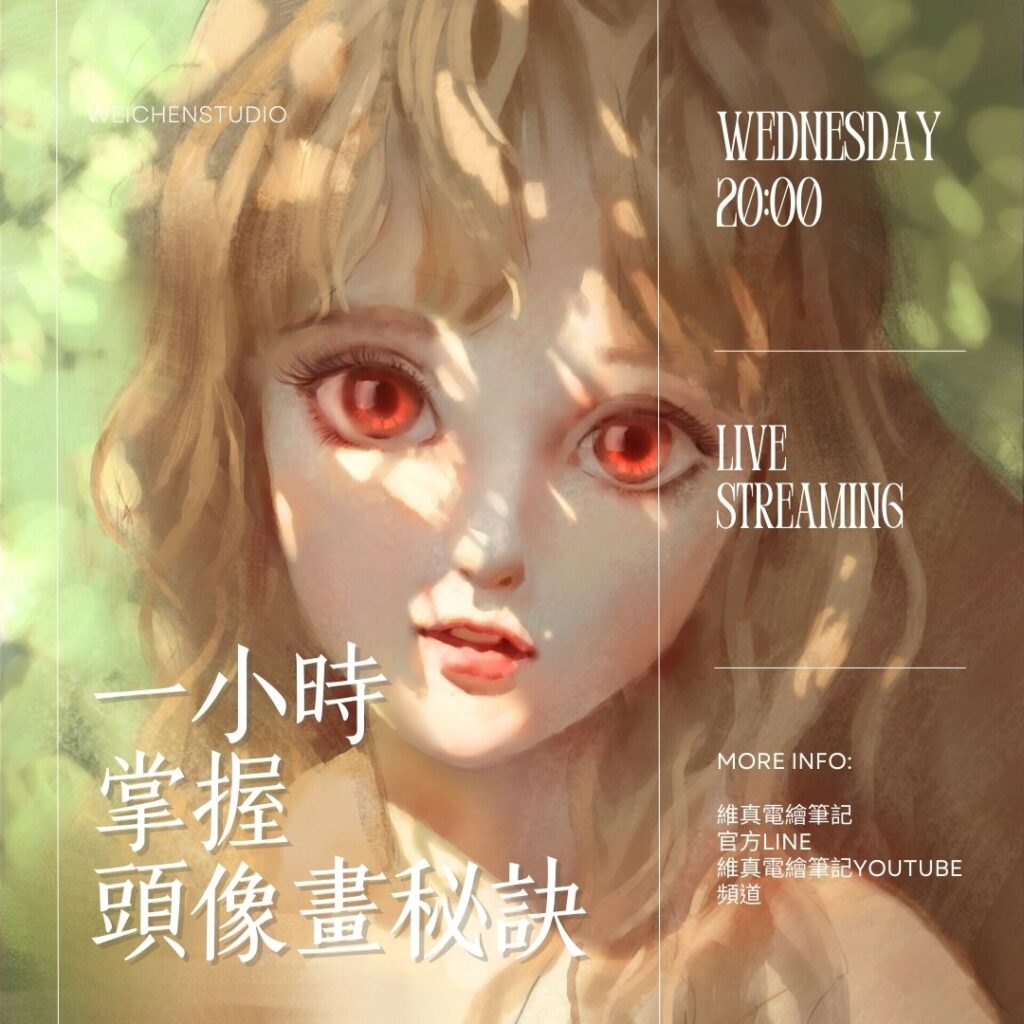
Expression design means making human emotion visible, and it requires a deep understanding of facial expression. Technology can assist with some of the details, but what truly brings a character's expression to life is usually the kind of emotional expression that tools can't fully replicate — a subtle glance, or the slight tremble at the corner of a mouth. These fine shifts come from the creator's intuitive grasp of emotion, refined through repeated attempts and corrections until the truest feeling shows through.
4. What makes non-AI creation unique: emotional intuition and improvisation
In the creative process, human improvisation and emotional intuition give work an unpredictable uniqueness. Unlike relying purely on algorithms, a creator can make quick, flexible adjustments based on what they feel in the moment, and that immediate response can produce unusual artistic effects. For example, while drawing a character's expression, a passing wave of emotion might change your original intent on the spot — that personality-filled creative process is the most captivating part of art. This immediacy and unpredictability give finished work a unique, organic vitality.
5. Making audiences resonate: connecting through emotion and storytelling
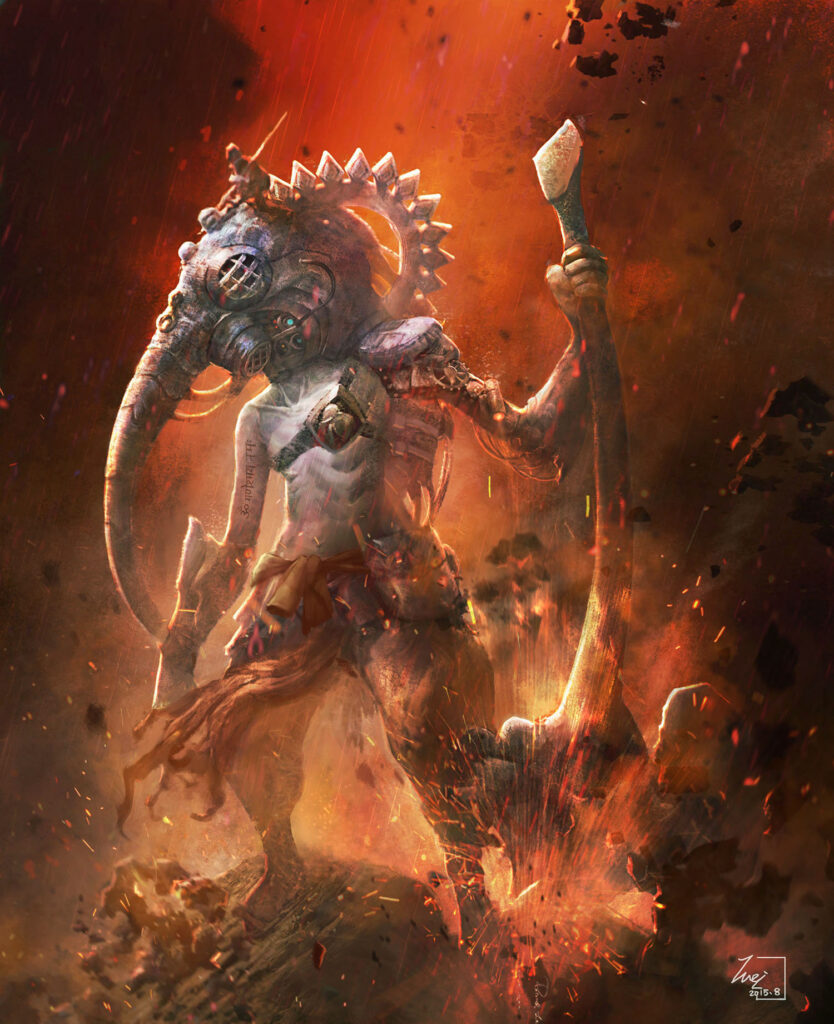
When a creator pours deep feeling into a work, that feeling naturally extends to the audience, forming a powerful resonance. Through a character's expression, body language, and the atmosphere of a scene, viewers can sense the emotional thread behind the work. This resonance is more than visual impact — it's an emotional bond between viewer and character. By handling expression details with precision, creators can build characters that feel real and profound, letting the work rise above technique and touch the essence of human emotion.
6. Human thinking in creation: art beyond the tools
Modern tools and technology can make creation more efficient, but what truly gives a work its soul is the creator's own thinking and feeling. Creation is a layered process — from the first spark of an idea to the finished piece, every decision reflects the creator's emotions, experience, and taste combined. Creation is not merely a display of technique; it's an invisible dialogue between creator and audience. That is what makes art unique — it transcends tools and technology and goes straight to the heart.
Final thoughts: the boundless possibilities of creation

In artistic creation, whether digging deep into expression design or carefully gathering real-world references, the creator always stands at the front line of creativity, breathing life into the work. This emotional expression and intuition from within fill every piece with distinct personality and resonance. Modern tools provide powerful assistance, but what makes a work stand out is the creator's own keen grasp of human nature, emotion, and inspiration. When we find our own perspective and language in creation, the work becomes more than a visual presentation — it becomes a conversation with the depths of the viewer's heart. However far technology develops, artistic creation will always be a process full of human thinking and infinite possibility.
In our free WeiChen Studio 維真電繪筆記 seminars, we've specially invited CG painting master Alon Chou to share a session on reference gathering and expression. If you follow Alon, don't miss it — you're welcome to reserve a spot in the free livestream lecture. It should give anyone hoping to improve in these areas a much clearer learning direction!
Tap here to join our official LINE account and book a class
If you have any questions, feel free to ask in our Discord server!
Tap here to join the WeiChen Studio community Discord