Brushes — An Important Tool
Digital painting is a fascinating creative field, and one of its key elements is brush choice. Different brushes bring unique effects and styles to your work. In this article, we'll take a close look at the types of digital painting brushes and how to choose the ones that suit your creative style and needs.
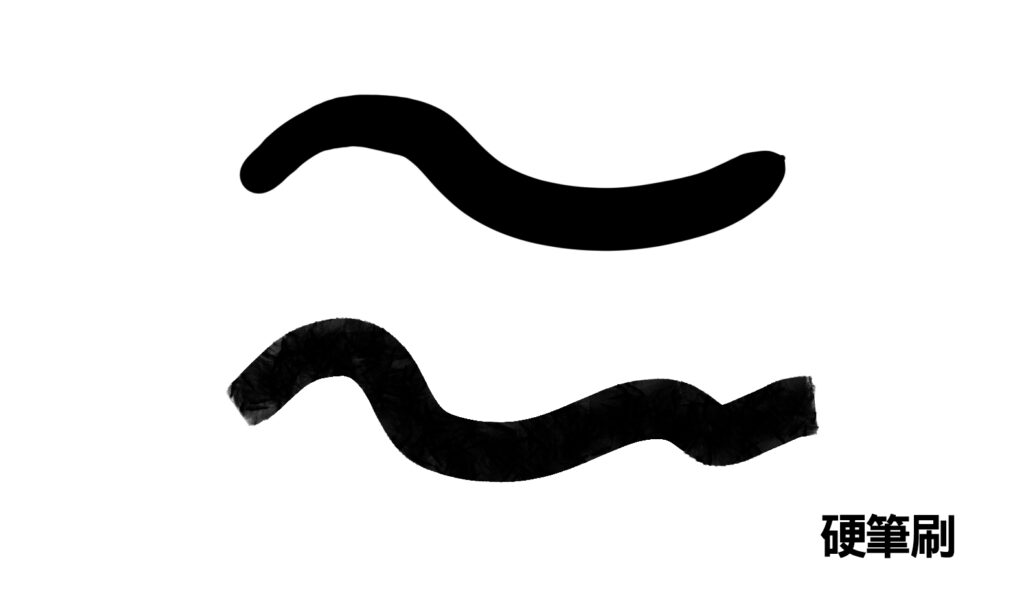
1. Hard Brushes
Hard brushes have crisp edges and clear detail. They're typically used for precise lines and details, or for establishing the light–shadow split and primary edges. Hard brushes are also common for simple geometric shapes and basic line outlines.
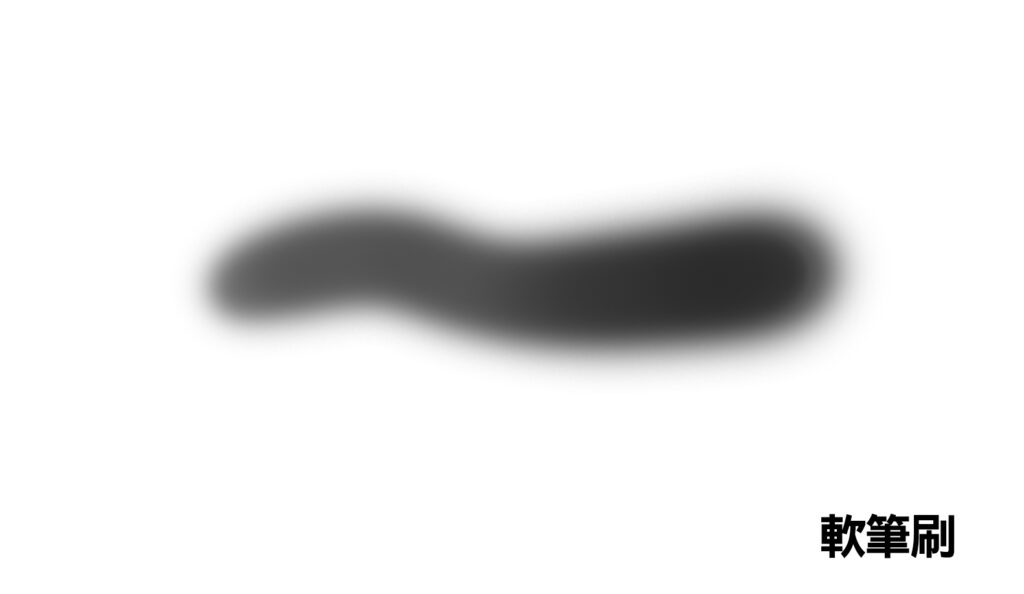
2. Soft Brushes
Opposite to hard brushes, soft brushes have gentle edges and a blurred effect. They're often used for soft shadows and lighting effects. They give a painting a softer look and are a handy tool for controlling edge hierarchy.
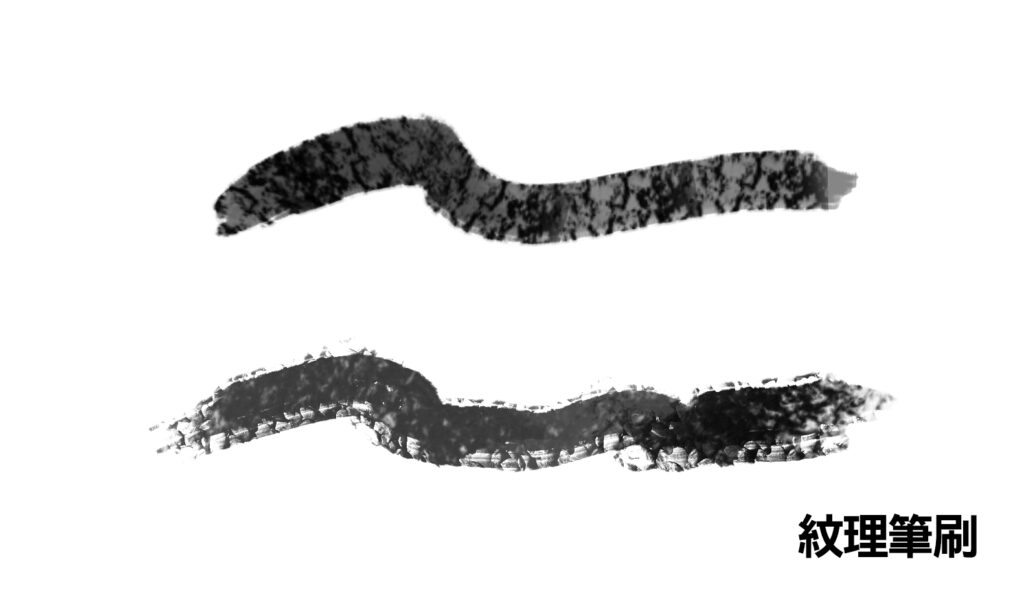
3. Texture Brushes
Texture brushes carry specific textures or materials, such as fabric, wood grain, or watercolor paper. They add interesting texture and tactility, making your work more expressive. Texture brushes suit backgrounds, terrain, and material rendering; sometimes I pair them with a smudge brush to create skin-pore texture. For adding brushwork richness to an image, they're extremely convenient.
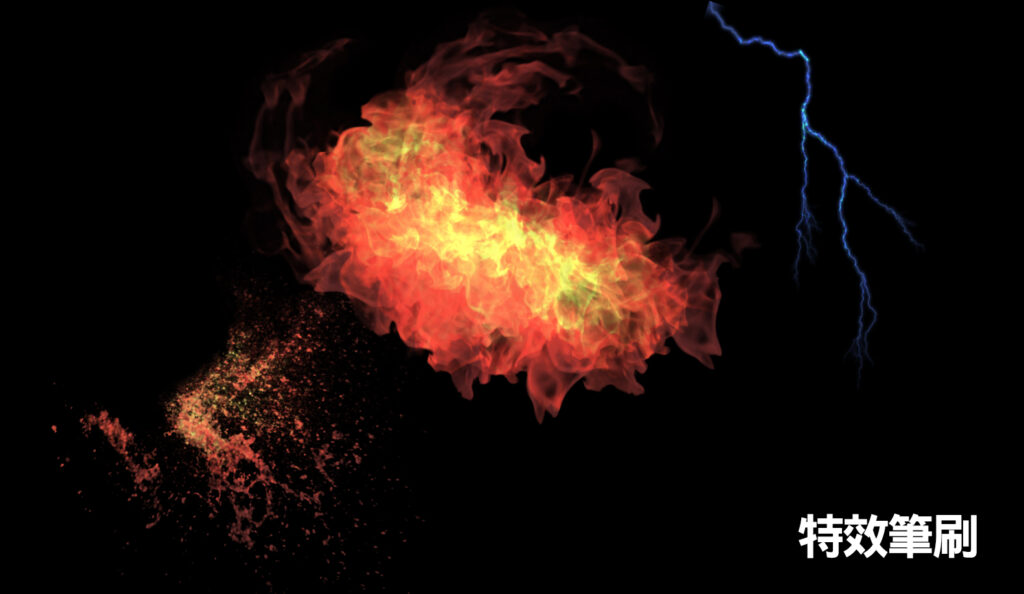
4. Special Effects Brushes
Special effects brushes include flames, stars, mist, particles, and other effect brushes. They can create astonishing visual effects, giving your work more motion and fantasy while strengthening visual guidance. These brushes are handy, but personally I recommend building a more complete understanding of light and color first — you'll wield them far more confidently. If you'd like to understand light and color more deeply, check out courses on our site such as "From Basics to Advanced | Shaping a Unique Style! An In-Depth Guide to Impasto Character Painting" — its content should deepen your understanding of light, shadow, and color.
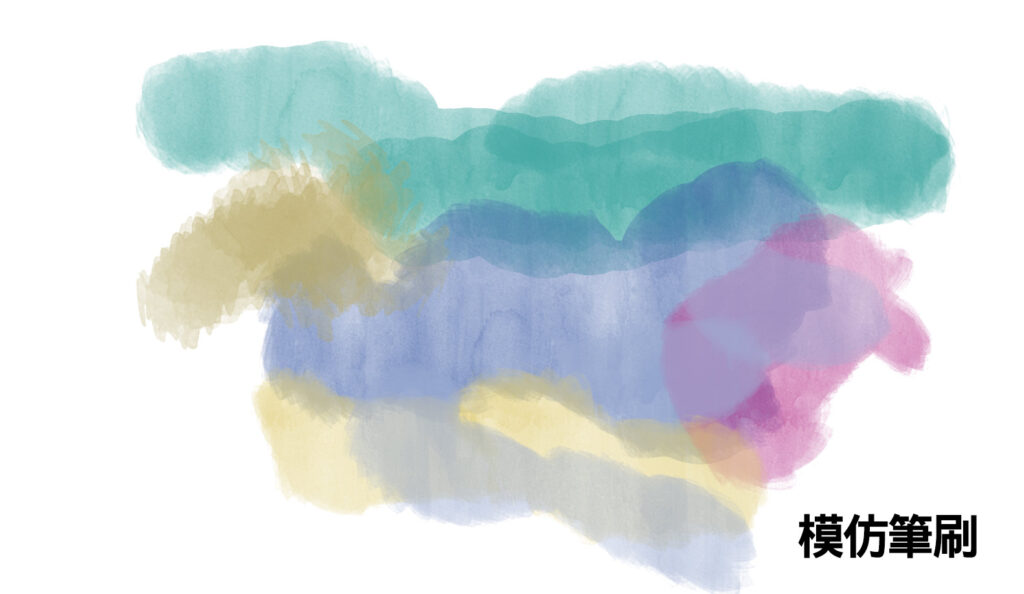
5. Media Emulation Brushes
These brushes are designed to imitate traditional art media such as watercolor, oil paint, and pencil. Using them gives your digital work the texture and look of traditional media, adding variety to your pieces.
How Do You Choose the Right Brush?
When choosing brushes, consider the following:
- Your creative style: Is your style realistic impasto, anime, fantasy... or something else? Choose brushes to match.
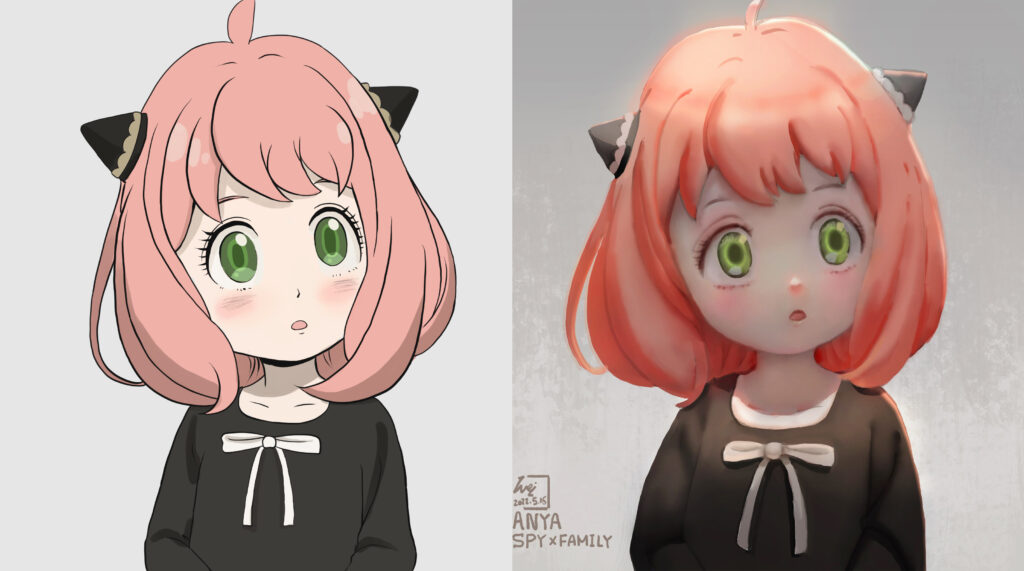
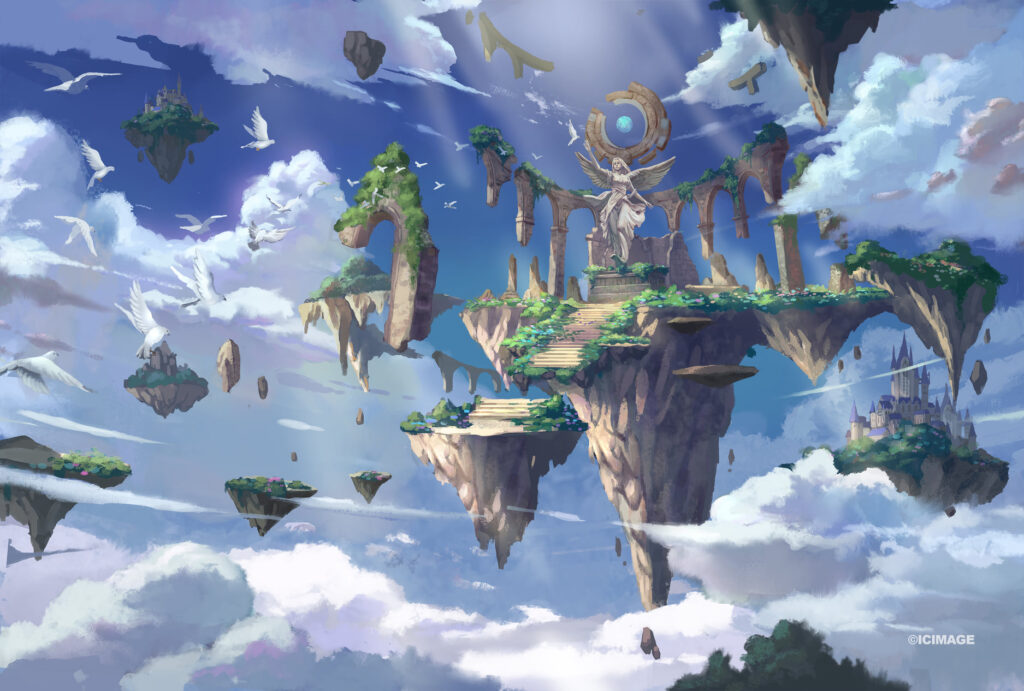
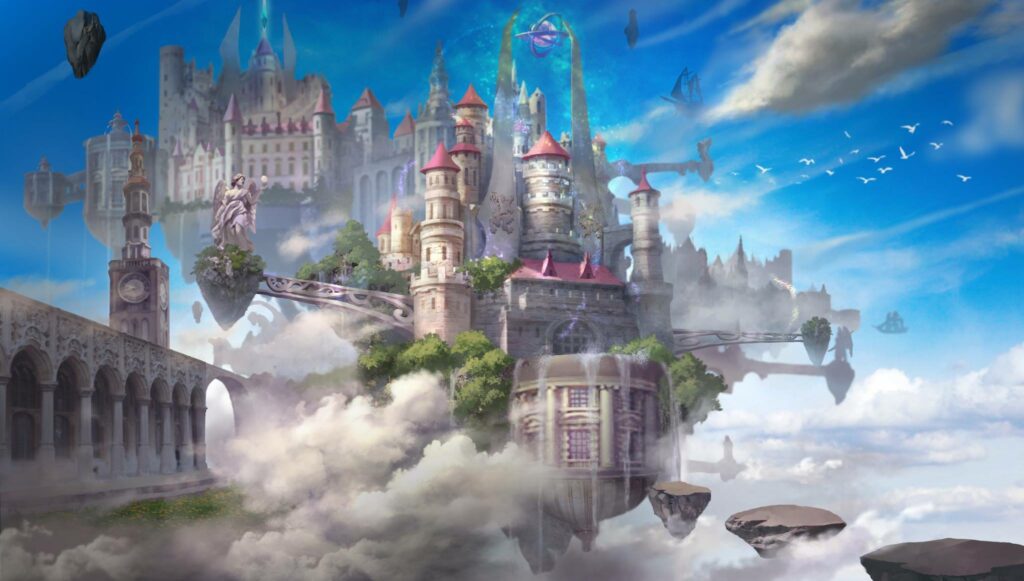
2. The needs of the piece: Choose brushes that achieve the effect your current work needs, whether lines, texture, or effects. For example, in my two paintings below, both depict clouds — but different approaches and brushes give completely different feelings.
- Experiment and explore: Don't be afraid to try new brushes and explore their potential. Sometimes an unexpected brush combination produces stunning results.
- Custom brushes: Most drawing software lets you customize brushes. Adjusting settings to your needs can create unique effects.
In short, digital painting brushes come in many varieties, each with its own strengths. Choosing the right brushes helps you reach your creative goals and adds personality and style to your work. But most importantly: brushes are only tools, not the star of the creation. Without aesthetic sense and solid fundamentals to back them up, it's like Doraemon's gadgets — however wonderful they are, they're wasted when Nobita misuses them. What matters most is the artist's own eye and ability, not the brush.
I hope this article helps you understand the world of digital painting brushes better and inspires your creative process! If you have any questions or want more advice, feel free to share in the comments!