The Professional Skills of an Outstanding Illustrator
In the fast-changing field of digital art, the digital artist's role matters more and more. While the rise of AI technology brings challenges, it also means an opportunity to level up your digital painting skills and become indispensable in the workplace. Here are some key elements to help you stand out over the next decade.
1. Core abilities
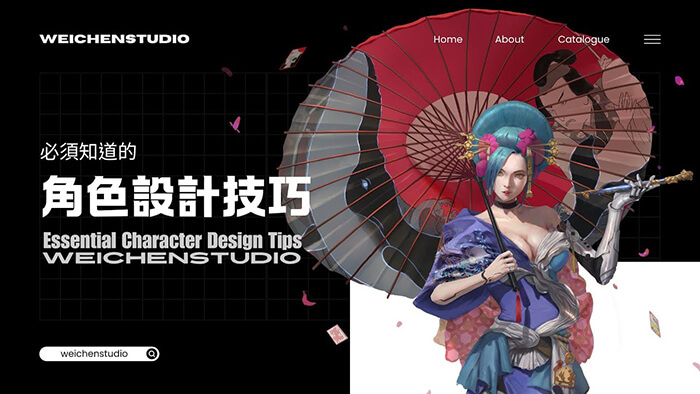
Creativity and artistic sense: An outstanding digital artist needs a sharp artistic eye and creativity, able to craft engaging work from different perspectives and concepts — for example, designing appealing character looks, which is essential in the work of game designers and illustrators.
Technical ability: Solid command of digital drawing fundamentals, including sketching, coloring, and composition — for example, creating polished digital illustrations in Adobe Photoshop, a must-have skill for every digital artist.
2. Essential techniques
Drawing technique: Keep practicing both hand drawing and digital painting techniques, such as brushwork and color theory, to raise the visual quality of your work. Many animators and comic artists use these techniques in their daily creation.
Style exploration: Search for and develop a personal style, whether realistic, cartoon, or abstract. For example, browse artist communities like Behance or ArtStation to showcase and evolve your unique style.
3. Software to know
Adobe Photoshop: the widely used foundation for digital illustration, with powerful image-editing features. Many graphic designers and illustrators create with it.
Procreate: a convenient drawing app, especially for iPad users — easy to create and share with. Great for any freelance illustrator who wants quick sketching and creation.
Clip Studio Paint: software designed for comics and illustration, with many professional features. Many comic artists use it for their work.
Blender: for illustrators interested in 3D design, a powerful free tool for 3D modeling and animation. Many 3D artists and game developers use it in their work.
4. Problem-solving skills
Adapting quickly to client needs: When a client asks for revisions, you can adjust the style or content of the work promptly. For example, if a client wants a character's colors changed, you can quickly revise it in Adobe Photoshop and resubmit. This ability is critical for freelancers and animation studios alike.
Troubleshooting: When you hit technical difficulties, you can find solutions fast. For example, when you run into a rendering problem in Blender, you can search online resources or ask the community for help — a necessary skill for any 3D artist.
5. Managing yourself
Building a personal brand: Show your work on social media to attract potential clients — for example, share on Instagram or Twitter to grow your audience and client base. Many successful illustrators work this way.
Expanding your network: Join online communities, art exhibitions, and workshops to connect with other artists and potential clients — for example, artist meetups on ArtStation or local art markets.
6. Personal style
Exploring diverse styles: Try different illustration styles and find the one that best expresses your ideas and emotions. Many digital artists blend elements from different cultures to create unique visual effects.
Continuous learning: Follow industry trends and new technologies and keep improving — for example, take online courses from WeiChen Studio 維真電繪筆記 to learn the latest painting techniques and tools, build your strength, and broaden your horizons.
7. Ways to grow your income
Freelancing: Take freelance projects through online platforms to expand your client sources. Many illustrators and graphic designers use these platforms to increase their income.
Your own shop: Consider building your own e-commerce presence — for example, selling illustrations and merchandise or offering custom services through a personal website. This business model benefits any creator.
Teaching and workshops: Use your expertise to run online courses or workshops — for example, sharing drawing techniques on YouTube or teaching platforms — to add another income stream.
8. Ways to enjoy the work
Choose projects that fit you: Pick projects that interest you — you'll have more drive and passion to finish them. When you land an illustration project in a style or subject you love, the creative process becomes much more enjoyable.
Build a good work environment: Create a workspace where you can focus and relax, with the music or ambient sound you like, to boost your inspiration and efficiency.
Talk with peers: Join art gatherings or online communities to share experience and ideas with other artists. It broadens your horizons and brings support and inspiration as you create.
Conclusion
The next decade is a golden age for digital artists. By strengthening your creative ability, technical skill, self-management, and personal style, you can secure your place and become indispensable. In this fast-changing era, a mindset of constant learning and adaptation is the key — let's meet the challenges and opportunities ahead together!
To push your digital painting further, consider signing up for the WeiChen Studio 維真電繪筆記 learning platform, which offers a range of online courses to help you learn, build your own personal site, study professionally, take commissions, and grow your career.
We hold free seminars every week — you're welcome to reserve a spot in a free livestream lecture. It should give anyone hoping to improve in these areas a much clearer learning direction!
Tap here to join our official LINE account and book a class
If you have any questions, feel free to ask in our Discord server!
Tap here to join the WeiChen Studio community Discord